

Environmental Protection Agency

Reducing Emissions at Engine Test Facilities

Engine Testing and Certification: Managing Emissions and Ensuring Compliance

Engine testing and certification are critical stages in any automotive R&D process. These activities not only confirm the performance, reliability, and durability of engines but also ensure compliance with stringent EPA…

Read More

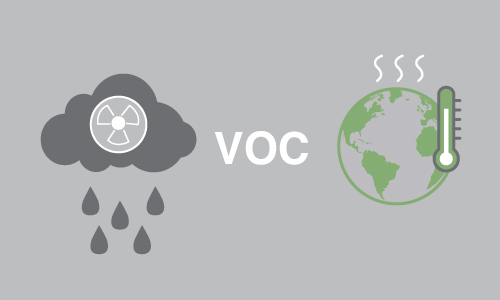
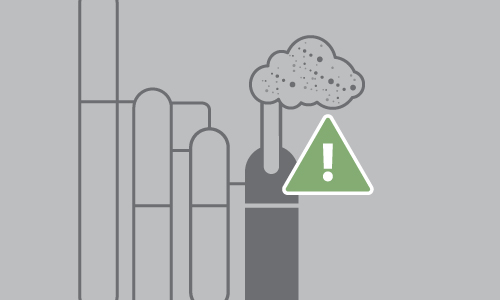
Volatile Organic Compounds Environmental Impact

The Impact of VOCs on the Environment
Understanding Volatile Organic Compounds (VOCs)
Volatile Organic Compounds (VOCs) are harmful gases formed when toxic chemicals vaporize. While natural events such as wildfires release significant amounts of VOCs each year, industrial operations and other…

Read More

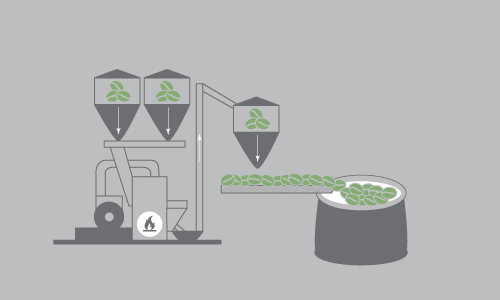
EPA Standards for Coffee Manufacturing Plants

Coffee Roasting Emissions: Understanding and Controlling Pollutants
Coffee manufacturers face growing scrutiny as consumers demand organic products and environmentally responsible practices. Beyond farming, roasting facilities themselves are under regulatory oversight. The Environmental Protection Agency (EPA) sets strict emission standards to…

Read More

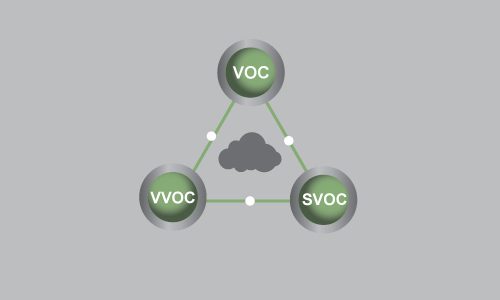
The Differences Between VOCs, VVOCs, and SVOCs

Understanding Volatile Organic Compounds (VOCs) and Emissions Control
The Environmental Protection Agency (EPA) defines a Volatile Organic Compound (VOC) as “any compound of carbon that participates in atmospheric photochemical reactions.” This definition excludes carbon monoxide, carbonic acid, ammonium carbonate, metallic…

Read More

Make a Competitive Advantage in Pollution Control

Turn Your Air Pollution Control System into a Competitive Advantage

When you think about your air pollution control system, it’s probably seen as a cost of compliance—necessary to avoid fines and lawsuits. Many companies approach it the same way they…

Read More

Improve Pollution Control Equipment with Regular Maintenance

Large manufacturers must adhere to strict emission limits set by the Environmental Protection Agency (EPA) and the Clean Air Act. In order to meet these standards, some plants must reduce the number of harmful chemicals used during the production…

Read More

Different Types of VOC Detectors Available

Monitoring Volatile Organic Compounds (VOCs) in Manufacturing
Volatile Organic Compounds (VOCs) are released when harmful chemicals vaporize at room temperature. Large manufacturing plants that use solvents or toxic chemicals can emit dangerous levels of VOCs into the air. These compounds…

Read More

Affects and the Importance of VOC Regulations

Understanding VOCs, HAPs, and Emission Regulations
Volatile Organic Compounds (VOCs) and Hazardous Air Pollutants (HAPs) are released when chemicals vaporize into gas. These pollutants contribute to ground-level smog, which is harmful to human health and toxic to the environment. To…

Read More

Optimize your Emissions Control Operations

Understanding VOCs, HAPs, and Emission Regulations.

Volatile Organic Compounds (VOCs) and Hazardous Air Pollutants (HAPs) are released when chemicals vaporize into gas. These pollutants contribute to ground-level smog, posing serious health risks to humans and causing long-term environmental damage. To…

Read More

4 Ways We Help Food Manufacturers

Food Manufacturing Solutions Tailored to Your Needs

Food manufacturing is both an art and a science. Everyone needs to eat, and you make that happen. But every food manufacturer is unique, and with those unique processes come challenges specific to…

Read More