

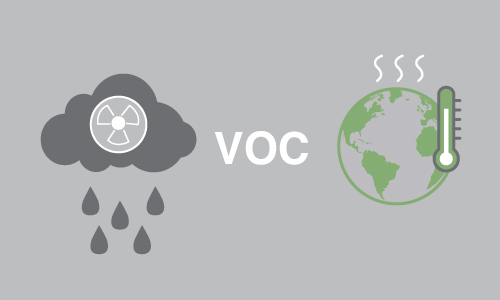
Volatile Organic Compounds (VOCs) are created when toxic chemicals vaporize and form harmful gases. Natural events like wildfires release large quantities of VOCs every year. However, industrial operations and other man-made processes contribute a significant percentage to the planet’s overall VOC emissions.
Atmospheric photochemical reactions occur when VOCs are exposed to sunlight. Depending on the amount and type of VOCs emitted, these reactions can disrupt ecosystems and have crippling effects on both humans and the environment.
What is a VOC?
VOCs are volatile carbon compounds, such as butane, toluene, pentane, propane, xylene, or ethanol. Although considered harmful, carbon monoxide, carbon dioxide, carbonic acid, metallic carbides, carbonates, and ammonium carbonate are not categorized as VOCs. However, if combined, VOCs and other harmful compounds, such as carbon monoxide, can create highly volatile mixtures.
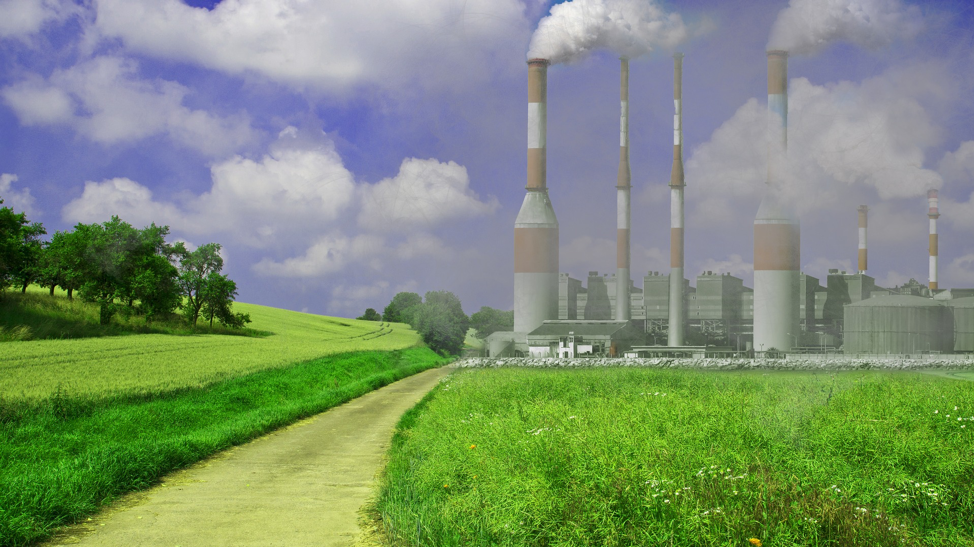
The Impact of VOCs on the Environment
When exposed to sunlight, VOCs react with nitrogen oxides (NOx) and carbon monoxide (CO) to form tropospheric ozone (O3), often referred to as ground-level smog. Naturally occurring ozone in the stratosphere protects the planet by absorbing harmful ultraviolet (UV) rays from the sun. However, if formed at ground level, these compounds can stimulate diseases in plants, inhibit seed production, and hinder fertilization. Heatwaves and hot climates can exacerbate photochemical reactions and lead to increased production of low-level ozone.
Global Warming
Methane, the second most prevalent greenhouse gas emitted in the United States, is often released in conjunction with VOCs. Greenhouse gases refer to specific compounds that trap heat within the atmosphere, increasing global temperatures. According to studies conducted by the Environmental Protection Agency (EPA), the industrial sector is responsible for 22% of all greenhouse gases released into the air.
Acid Rain
Acid rain is the result of an increased presence of acidic compounds in the atmosphere. When water reacts with nitrogen oxides (NOX) and sulfur dioxide (SO2), its pH level can be increased to 4.2 or 4.4. Acidic precipitation is then distributed over natural habitats, cityscapes, and oceans, raising the pH level of fragile ecosystems. Fish are typically unable to survive in highly acidic conditions, which can affect the entire food chain. Abrasive acidic compounds can wash away essential nutrients from forest floors, and deposits of aluminum can contaminate surrounding plants.
The Impact of VOCs on Human Health
When inhaled or absorbed through the skin, VOCs can cause severe health issues in humans. Solvents, exhaust streams, and aerosols used in unventilated areas can generate dangerous toxins. If exposed to high quantities, humans can experience headaches, dizziness, memory loss, and visual impairment.
Compounds found in paint strippers such as methylene chloride have carcinogenic properties, which can lead to long-term and possibly fatal conditions.
VOCs can also react with nitrogen oxides (NOx) and other harmful compounds to create highly toxic particulates (PM 2.5). If inhaled, these particulates can lead to emphysema and bronchitis, as well as other acute respiratory diseases.
VOC Emission Control
Industrial processes that release high levels of VOCs must adhere to strict pollution control regulations set by the EPA. Removing existing VOCs from the planet’s atmosphere is not an easy process, placing prevention at the heart of emission control practices. VOC abatement technology can reduce the amount of toxic compounds released by manufacturing facilities. Upgraded, smart ventilation units, regenerative thermal oxidizers, and VOC monitoring systems can help industries stay within annual EPA limits and curb VOC emissions. Contact The CMM Group today to discover how we can help you keep your environmental impact to a minimum.