

Hazardous Air Pollutants

Reducing Emissions at Engine Test Facilities

Engine Testing and Certification: Managing Emissions and Ensuring Compliance

Engine testing and certification are critical stages in any automotive R&D process. These activities not only confirm the performance, reliability, and durability of engines but also ensure compliance with stringent EPA…

Read More

Protecting People and Processes: Air Pollution Control and Wastewater Treatment in Pharmaceutical Manufacturing

In pharmaceutical manufacturing, perfection isn’t a luxury, it’s a requirement. Whether a product improves a patient’s quality of life or saves lives outright, it’s the result of years, often over a decade, of meticulous development, testing, and clinical trials….

Read More

Create an Effective Preventative Maintenance Plan

Pollution Control Equipment Maintenance for Manufacturing Facilities

Pollution control equipment is essential in the manufacturing industry. Facilities that emit volatile organic compounds (VOCs) must adhere to strict air quality guidelines set by the Environmental Protection Agency (EPA). VOCs are released…

Read More

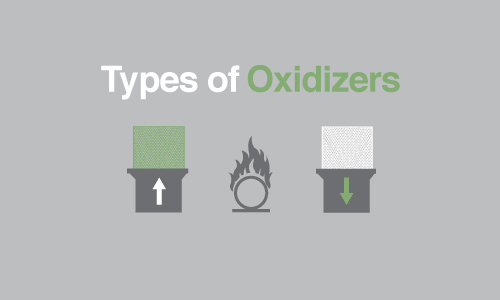
Oxidizers: Effective Solutions for Industrial Emissions Control

Oxidizers play a critical role in eliminating harmful pollutants generated during manufacturing processes. With a variety of control systems available, facility owners must carefully select a system that aligns with both their production budget and Environmental Protection Agency (EPA)…

Read More

Optimize your Emissions Control Operations

Understanding VOCs, HAPs, and Emission Regulations.

Volatile Organic Compounds (VOCs) and Hazardous Air Pollutants (HAPs) are released when chemicals vaporize into gas. These pollutants contribute to ground-level smog, posing serious health risks to humans and causing long-term environmental damage. To…

Read More

How to Effectively Maintain a Regenerative Thermal Oxidizer (RTO)

Today’s manufacturers are under increasing pressure to meet strict environmental regulations, and an effective emission control system is vital to the ongoing operation of a plant.

The Regenerative Thermal Oxidizer (RTO) is one of the most popular and cost-effective ways…

Read More

How to Control Nitrogen Oxides in Industries

Nitrogen oxides (NOx) are common air pollutants emitted during many industrial manufacturing processes. Their emission is controlled by the EPA, and manufacturers are required to control the amount of NOx their processes release into the atmosphere.
What Are Nitrogen Oxides?
NOx…

Read More

3 Ways to Lower Cost of VOC Abatement

As more awareness is developed around the damaging health and environmental effects of volatile organic compounds (VOC), the government is enforcing stricter regulations to control VOC in the manufacturing industry.

The Clean Air Act is one of the key pieces…

Read More

Controlling Emission & Air Pollution Strategies

In industrial manufacturing, the control of emission and air pollutants is a key component in reducing environmental impact while staying compliant with government regulations.

Emission often refers to man-made contaminants, while air pollution can be caused by substances released into…

Read More

State Implementation Plans: SIP Execution and Enforcement (Part 2)

Following the announcement in the Federal Register that certain areas are no longer in Moderate nonattainment and will soon be moved to Severe nonattainment specifically for Ozone, many manufacturers in this area may face new expectations, regulations, and standards…

Read More