

Volatile Organic Compounds Environmental Impact

The Impact of VOCs on the Environment
Understanding Volatile Organic Compounds (VOCs)
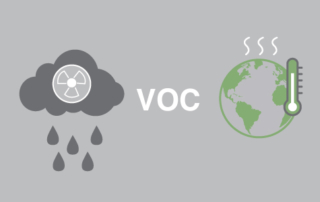
Volatile Organic Compounds (VOCs) are harmful gases formed when toxic chemicals vaporize. While natural events such as wildfires release significant amounts of VOCs each year, industrial operations and other…

Read More

The Future of the Food and Beverage Industry: A New Decade is Dawning

Can you believe Y2K and the fears surrounding it happened two full decades ago? The world has changed, the consumer has changed, and the sales process has changed—could you imagine today’s landscape back then? The market moves faster. The…

Read More

EPA Standards for Coffee Manufacturing Plants

Coffee Roasting Emissions: Understanding and Controlling Pollutants
Coffee manufacturers face growing scrutiny as consumers demand organic products and environmentally responsible practices. Beyond farming, roasting facilities themselves are under regulatory oversight. The Environmental Protection Agency (EPA) sets strict emission standards to…

Read More

The Differences Between VOCs, VVOCs, and SVOCs

Understanding Volatile Organic Compounds (VOCs) and Emissions Control
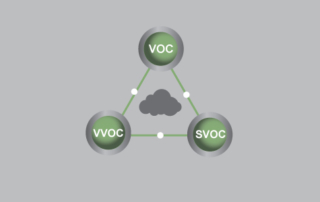
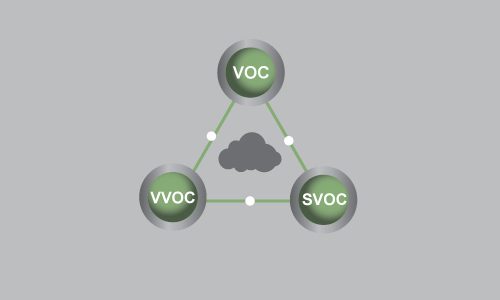
The Environmental Protection Agency (EPA) defines a Volatile Organic Compound (VOC) as “any compound of carbon that participates in atmospheric photochemical reactions.” This definition excludes carbon monoxide, carbonic acid, ammonium carbonate, metallic…

Read More

Create an Effective Preventative Maintenance Plan

Pollution Control Equipment Maintenance for Manufacturing Facilities

Pollution control equipment is essential in the manufacturing industry. Facilities that emit volatile organic compounds (VOCs) must adhere to strict air quality guidelines set by the Environmental Protection Agency (EPA). VOCs are released…

Read More

Different Types of VOC Detectors Available

Monitoring Volatile Organic Compounds (VOCs) in Manufacturing
Volatile Organic Compounds (VOCs) are released when harmful chemicals vaporize at room temperature. Large manufacturing plants that use solvents or toxic chemicals can emit dangerous levels of VOCs into the air. These compounds…

Read More

Affects and the Importance of VOC Regulations

Understanding VOCs, HAPs, and Emission Regulations
Volatile Organic Compounds (VOCs) and Hazardous Air Pollutants (HAPs) are released when chemicals vaporize into gas. These pollutants contribute to ground-level smog, which is harmful to human health and toxic to the environment. To…

Read More

Paint Industry Regulatory Compliance & Cost

The Evolution of Paint: From Ancient Times to Modern Manufacturing

For millennia, humans have left their mark on the world using three key ingredients—pigment, binder, and solvent. From early cave paintings to today’s industrial coatings, materials and methods have evolved,…

Read More

Optimize your Emissions Control Operations

Understanding VOCs, HAPs, and Emission Regulations.

Volatile Organic Compounds (VOCs) and Hazardous Air Pollutants (HAPs) are released when chemicals vaporize into gas. These pollutants contribute to ground-level smog, posing serious health risks to humans and causing long-term environmental damage. To…

Read More

Finding the Right VOC Abatement System

Tips for Choosing the Best VOC Abatement Technology for Your Manufacturing Plant

Installing a VOC (Volatile Organic Compound) abatement system is a significant investment, so selecting the right solution is essential to maximize your ROI. The key to success lies…

Read More